Mastering Digital Sketching with 10 Graphite Brushes for Procreate
The transition from traditional media to digital art is no longer about choosing one over the other; it is about integration. For decades, the tactile sensation of graphite on paper defined the sketching experience for artists, architects, and designers. Today, that experience has been meticulously recreated within the digital ecosystem, allowing creators to harness the precision of technology without sacrificing the organic feel of hand-drawn art. At the heart of this evolution are specialized tools like 10 Graphite Brushes Procreate, a curated collection designed to replicate the nuanced behavior of real pencil leads on an iPad screen.
This shift reflects a broader change in creative workflows. Professionals and hobbyists alike are seeking efficiency without compromising authenticity. The modern creator often works remotely, collaborates in real-time, or needs to iterate designs rapidly. In this context, using your iPad as you would paint with Graphite brushes offers a compelling solution. You get the portability of a tablet combined with the expressive range of traditional sketching. This article explores how these digital tools are reshaping artistic practices, why they matter in current design trends, and how to leverage them effectively in your daily workflow.
The Evolution of Digital Realism in Sketching
Early digital drawing tools often struggled to mimic the subtle imperfections of physical media. Lines were too uniform, shading lacked depth, and the interaction between layers felt artificial. However, recent advancements in brush engine technology have closed this gap significantly. The demand for authenticity has driven developers to create brushes that respond to pressure, tilt, and speed just like a real pencil.
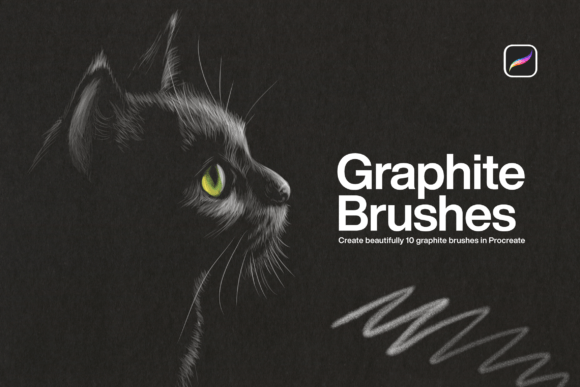
When we discuss 10 Graphite Brushes for Procreate, we are referring to a suite of tools that understand the physics of graphite. These brushes simulate the grain of paper, the smudging effect of a finger or blending stump, and the varying hardness of pencil leads from 9H to 9B. This level of detail is not merely aesthetic; it changes how artists approach their work. It allows for a more intuitive process where the tool disappears, and the focus remains entirely on expression and form.
This evolution aligns with a market preference for hybrid workflows. Architects sketch concepts on iPads during client meetings, illustrators draft characters in coffee shops, and educators annotate diagrams in real-time. The ability to switch seamlessly between rough sketches and polished renders using the same device is a powerful advantage. As user expectations rise, tools that offer both flexibility and fidelity become essential components of the modern creative toolkit.
Why Specialized Graphite Tools Matter
One might ask why specific brushes are necessary when standard digital pencils exist. The answer lies in texture and response. Standard brushes often produce clean, vector-like lines that can feel sterile. In contrast, 10 Procreate Brushes for Graphite effect introduce controlled randomness. They replicate the microscopic particles of graphite depositing on toothy paper, creating a visual richness that flat digital lines cannot achieve.
- Texture Variation: Real graphite interacts with paper grain. These brushes emulate that interaction, providing a natural look that enhances the perceived value of digital sketches.
- Pressure Sensitivity: Advanced brushes respond dynamically to Apple Pencil pressure, allowing for smooth transitions from light guidelines to dark, bold strokes.
- Blending Capabilities: Traditional sketching relies heavily on smudging. Digital graphite brushes often include companion tools for blending, mimicking the soft gradients achieved with tortillons or fingers.
For professionals, this means faster concept validation. A sketch that looks hand-drawn can evoke a stronger emotional response from clients than a rigid digital outline. It suggests iteration, thought process, and human touch. In marketing and branding, this aesthetic is increasingly valued for its authenticity and approachability.
Integrating Graphite Brushes into Modern Workflows
Adopting 10 Graphite Brushes Procreate is not just about changing software settings; it is about adapting your workflow to leverage digital advantages. Here is how different users can integrate these tools into their practices:
For Illustrators and Concept Artists
Use the harder graphite brushes for initial construction lines and the softer ones for shading and depth. The ability to undo and adjust opacity allows for rapid experimentation. Unlike traditional media, you can test multiple lighting scenarios on separate layers without damaging the underlying sketch. This iterative freedom accelerates the development of complex compositions.
For Architects and Designers
Presentation is key. Sketches created with realistic graphite effects can be overlaid onto photos or 3D models to provide context. This hybrid visualization technique helps clients understand spatial relationships and material textures more effectively than wireframes alone. The organic quality of the sketch softens the technical rigor of architectural plans, making them more accessible to non-experts.
For Educators and Content Creators
Explaining complex ideas often requires visual aids. Using graphite brushes on an iPad allows educators to create engaging, hand-drawn diagrams that feel personal and approachable. These visuals can be easily exported, shared, and integrated into videos or presentations, enhancing learner engagement through familiar, analog-style aesthetics.
Practical Tips for Maximizing Your Digital Graphite Experience
To get the most out of your 10 Graphite Brushes for Procreate, consider the following recommendations. These insights are grounded in practical usage and aim to bridge the gap between traditional techniques and digital execution.
- Choose the Right Screen Protector: The surface of your iPad affects how the Apple Pencil feels. Matte screen protectors can mimic the friction of paper, enhancing the tactile experience of using graphite brushes.
- Understand Layer Modes: Experiment with multiply modes for shading layers. This allows you to build up darkness gradually, similar to layering graphite strokes on paper, without losing the texture of the underlying lines.
- Utilize Tilt Support: Many graphite brushes respond to the tilt of the Apple Pencil. Use this feature for broad shading areas, just as you would use the side of a pencil lead in traditional drawing.
- Customize Brush Settings: While preset brushes are excellent starting points, tweaking size jitter and opacity flow can help you tailor the tools to your specific hand pressure and style.
- Export for Print: If you intend to print your digital sketches, ensure you are working at a high resolution (300 DPI or higher). This preserves the fine details of the graphite texture, ensuring the final output looks crisp and professional.
These adjustments may seem minor, but they significantly impact the final result. The goal is to make the digital interface feel invisible, allowing your creative intent to flow directly onto the canvas.
The Future of Hybrid Creativity
As technology continues to advance, the line between physical and digital media will blur further. We are already seeing innovations in haptic feedback and augmented reality that promise even more immersive drawing experiences. However, the core principle remains unchanged: tools should serve the artist, not constrain them.
The popularity of 10 Procreate Brushes for Graphite effect underscores a desire for tools that respect traditional craftsmanship while offering digital convenience. This trend is likely to persist as more creators seek sustainable, portable, and versatile solutions for their work. The environmental benefits of reducing paper waste, combined with the infinite canvas of digital platforms, make this shift not just a stylistic choice but a practical one.
Moreover, the accessibility of these tools democratizes high-quality sketching. Beginners can learn fundamental shading and proportion techniques without the ongoing cost of supplies. Professionals can maintain their sketching habits regardless of location or travel constraints. This universality fosters a more inclusive creative community where skill and vision take precedence over access to materials.
Conclusion
Incorporating 10 Graphite Brushes Procreate into your artistic arsenal is a strategic move for any modern creator. It bridges the gap between the nostalgic comfort of traditional sketching and the powerful capabilities of digital design. By understanding the nuances of these tools and integrating them thoughtfully into your workflow, you can enhance your productivity, improve your presentation quality, and enjoy a more fulfilling creative process.
Whether you are drafting a new product design, illustrating a story, or teaching a concept, these brushes offer the versatility and realism needed to bring your ideas to life. Embrace the hybrid approach, experiment with the textures, and let your iPad become a true extension of your creative hand. The future of sketching is not about replacing the past but evolving it, and these tools are leading the way.